
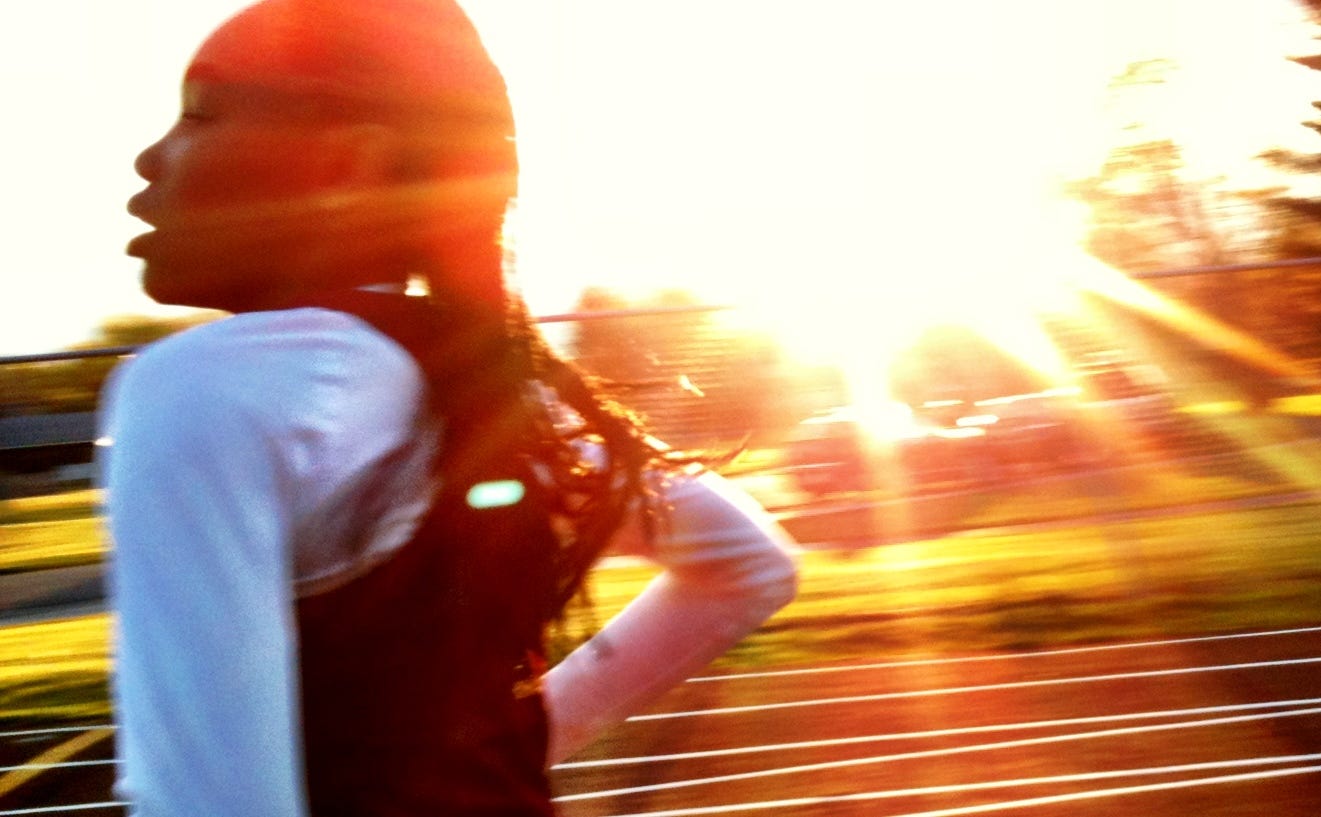
Leaving the Assignment Without Abandoning the Narrative
By the time the fifth exposure becomes possible, the assignment has been completed in every practical way. It has been answered directly, expanded thoughtfully, observed honestly, and shaped with clear intent. Nothing remains to be proven. That is exactly what makes this final step both dangerous and necessary.
Exposure Five is where the photographer pushes past the assignment’s limits without losing its essence.
This isn’t rebellion. It’s release.
The photographer no longer works to meet expectations, even heightened ones. The approach shifts into a different tone, where the assignment is no longer just a set of instructions but a starting point. The subject remains visible, but it is no longer the focal point. Meaning takes precedence.
This moment in photography has parallels throughout creative history. When Jackson Pollock abandoned the brush and placed the canvas on the floor, he wasn't rejecting painting; he was engaging with it more honestly than he could within its current rules. When Pablo Picasso absorbed and then surpassed the early innovations of Henri Matisse, it wasn't simply about competing for novelty. It was a dialogue about what seeing can become. When Andy Warhol painted soup cans, the result looked radically different from Pollock’s chaos, yet it stemmed from the same process: attention pushed beyond convention until form caught up with thought.
Exposure Five is part of that lineage. Not in style, but in structure.
This photograph does not aim to improve the assignment. It seeks to answer it in a way that couldn’t have been planned. The photographer doesn’t arrive at this shot with a concept. Instead, the concept comes from spending time with the subject, from layers of attention built over the first four exposures. What emerges isn’t cleverness; it’s inevitability.
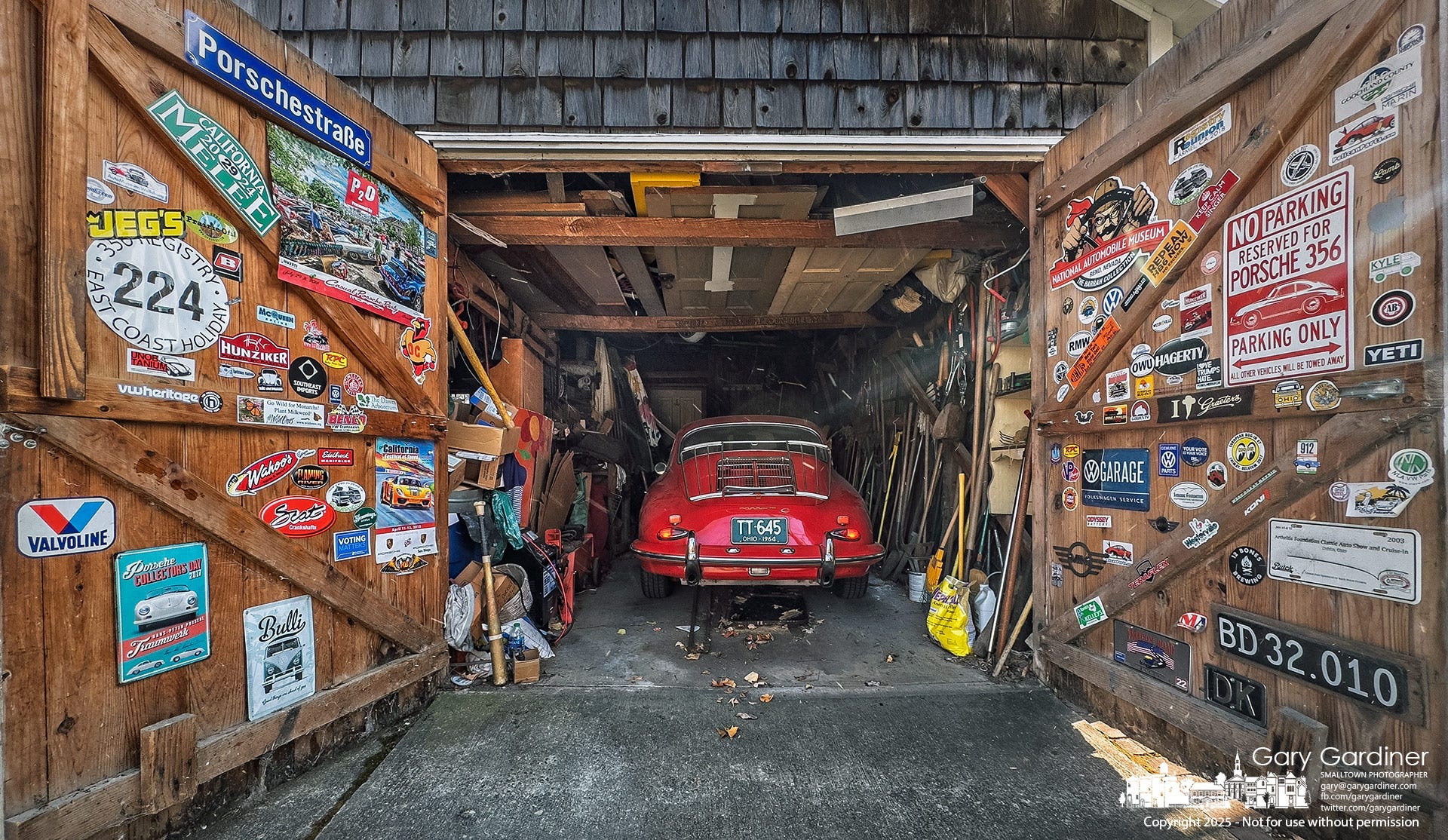
This is why Exposure Five cannot be the first. It can't even be the fourth. It requires the foundation of compliance, variation, observation, and intention. Only then does the photographer earn the right to let go.
In this final exposure, the usual methods for creating expressive, communicative photographs may be set aside. The photographer might rely on abstraction, metaphor, absence, or inversion. The subject could appear indirectly, partially, or symbolically. The image may seem quieter or more confrontational than anything that came before. What matters is that it addresses the assignment’s deepest purpose, not just its surface details.
This is often the photograph that surprises everyone, including the photographer.
The assigning editor may not have imagined it. The photographer certainly did not plan it. Yet when it appears, it feels unmistakably right. It carries the kind of clarity that does not explain itself. Editors recognize it not because it follows rules, but because it solves the story in a way nothing else could.
Exposure Five is where photography shifts from simply depicting to translating meaning. The photographer no longer just shows what the subject looks like or what the scene feels like, but instead reveals what it signifies.
This is the space where experience, empathy, skill, and risk come together. It is not guaranteed. It cannot be forced. Sometimes it never shows up. But when it does, it justifies the whole process.
This is the photograph that exceeds expectations without dismissing them. The one that fulfills the assignment by redefining what an answer can be.
And if the opening paragraph was the first exposure, this is the sentence the reader remembers long after the story ends.

My Final Photo News is a reader-supported publication. To receive new posts and support my photography and commentary, become a free or paid subscriber. Subscribe to The Westerville News and PhotoCamp Daily. My Final Photo News also recommends Civic Capacity and Into the Morning by Krista Steele.