

Exposure Three: Photographing the Situation
In the quiet of the room, the photographer lowers the camera for a moment, noticing the subtle stir of life that often goes unnoticed. The soft rustle of papers, the distant hum of an air vent, and the gentle shifts of light filtering through half-drawn blinds, paint an intricate backdrop. It’s at this moment that the third-exposure mindset begins to emerge. Although the assignment has technically been fulfilled and the subject captured, this moment of pause reveals a shift in attention. It’s no longer just about the subject itself but about the surrounding tapestry that quietly breathes alongside, ready to be woven into the narrative.
Exposure Three is when you stop photographing the subject in isolation and begin photographing them in their surroundings. Exposure Two centered on the subject. This exposure centers on the subject’s relationship with the environment.
The assignment may focus on a person, object, or event, but editorial photographs rarely center on these elements alone. They are often about something less tangible: pressure, routine, isolation, community, scale, consequence, or contrast. These forces don’t announce themselves directly. They exist in the environment. In the background, in the negative space, in the pause between actions. For instance, worn floor tiles may trace repeated footsteps, hinting at routine, while the scattered remnants of a hasty departure could reveal hidden pressures. Such visual clues invite the photographer to capture these invisible dynamics, enriching the narrative with depth and subtlety.
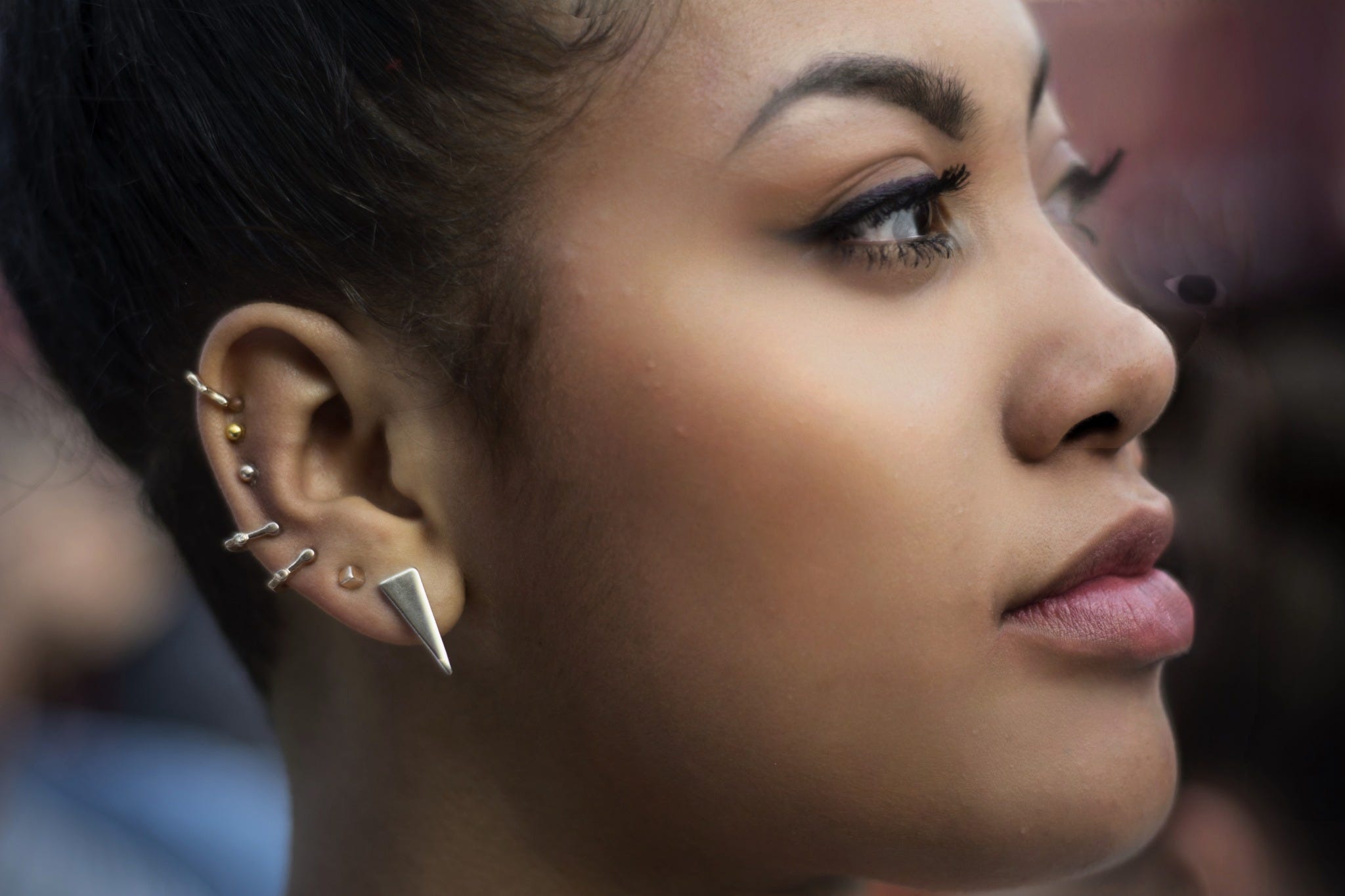
This image begins to emerge when the photographer pauses and recognizes that the subject does not exist alone. Their actions are shaped by place. Their meaning is shaped by context. The mood of the moment may contradict the stated purpose of the assignment. The environment may reveal more about the story than the subject ever could.
In practice, this often means looking for a single visual clue that explains why the story matters. It might be a contradiction between expectation and reality, a detail that undermines the apparent reading of the scene, or an emotional tone that doesn’t match the assignment’s surface description. Imagine the flicker of a neon exit sign casting a shadow on the bustling room, subtly reminding us of escape, or a collection of pill bottles on the nightstand, symbolizing life’s struggles. The photographer still includes the subject but allows the environment to speak alongside them, not just behind them.
Unlike the first two exposures, which are driven by clarity and variation, this photograph is driven by observation. The photographer is no longer asking how to fulfill the assignment, but what the assignment has not yet accounted for. The frame begins to widen in a deliberate shift from a tight, intimate portrait where every detail of the subject commands attention, to a broader shot that reveals the world they inhabit. This progression draws the viewer’s eye from the focus on the individual to the encompassing scene, where the subject, now smaller within the frame, becomes part of a larger narrative. Surrounding details begin to carry narrative weight.
The photograph still meets the assignment because nothing essential has been removed. The subject remains present. The requirements are still honored. What changes is the definition of what counts as an answer. The assignment is no longer confined to the central figure—it expands outward to include context, mood, and consequence.
What matters most in Exposure Three is restraint. The photograph should not attempt to explain the meaning of what it reveals. It does not summarize the story or declare a point of view. It simply places the subject within a larger frame and allows the viewer to sense that the situation is more complex than it first appeared. By inviting viewers to engage with unanswered questions, the photograph encourages them to participate in the narrative, much as negative space in photography draws the eye to what isn’t immediately visible. This collaboration between the image and the viewer enriches the experience, fostering a deeper understanding and trust in the unfolding story.
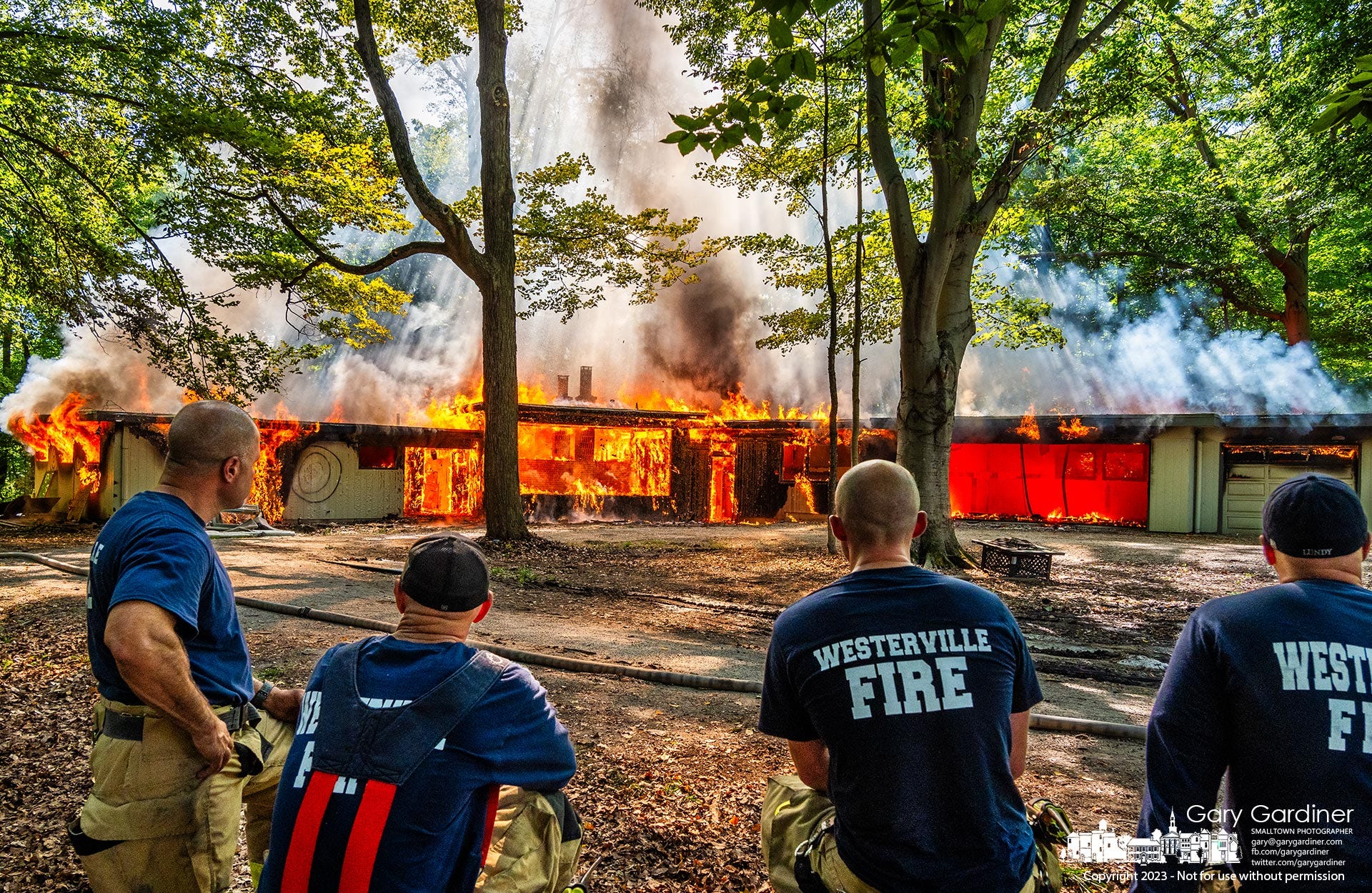
In the sequence, this image functions as a quiet turning point. It introduces depth without offering resolution. It acknowledges that the assignment is not wrong, but incomplete. In doing so, it prepares the ground for the next step—where observation gives way to intention.
Exposure Three trains the photographer to think like a storyteller rather than a collector of images. It is where the work stops being about making a good picture and starts being about understanding what the picture is actually saying.

My Final Photo News is a reader-supported publication. To receive new posts and support my photography and commentary, become a free or paid subscriber. Subscribe to The Westerville News and PhotoCamp Daily. My Final Photo News also recommends Civic Capacity and Into the Morning by Krista Steele.