
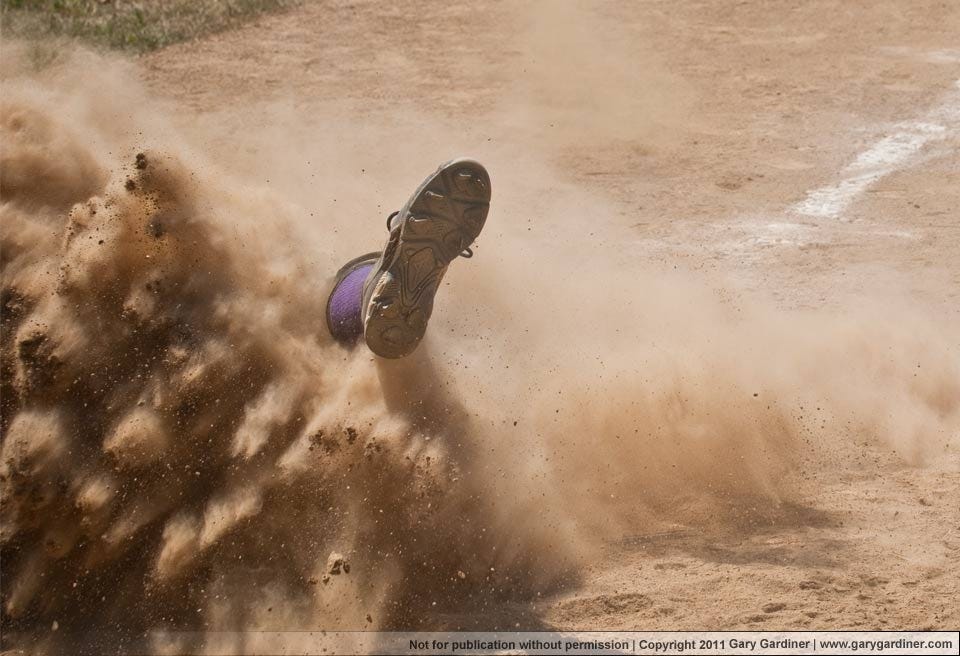
Why doesn’t photography get easier?
You study. You read about light as if it were a language you could become fluent in. You examine contact sheets from photographers whose work feels effortless. You memorize rules of composition. You learn how focal lengths alter distance, how depth of field isolates or includes, how shutter speed can freeze or dissolve time. You understand file sizes, sensors, dynamic range. You learn how your camera sees. You prepare carefully, believing that knowledge will close the gap between what you imagine and what you make.
And yet, when you stand in front of a real moment, it still resists you. A person shifts their weight. A glance appears and disappears. Light moves across a face in a way that feels significant but impossible to hold. You hesitate. You press the shutter. Or you don’t. Later, reviewing the frame, you feel the distance between what you sensed and what you captured. The gap remains.
It is tempting to believe that gap is technical. That if you reacted faster, knew more, owned better equipment, it would disappear. Modern cameras reinforce this hope. They promise precision. They can record dozens of frames in a second, preserving every flicker of expression. Nothing is missed. Every fraction of time is stored. But preservation is not understanding. You can gather a hundred variations of a moment and still fail to recognize which one mattered. The machine can capture everything. It cannot tell you what carries weight.
Nothing you do will make the photographs easier. They become familiar.
Familiarity is not mastery. Mastery implies control. Familiarity implies relationship. Relationship is built through repetition. You return to the same streets, the same rooms, the same light at different hours. At first, you are searching for obvious drama, something that declares itself as worthy. The world feels like a catalogue of visual opportunities waiting to be arranged. Then repetition begins to change you. You miss moments you were sure would succeed. You make technically flawless frames that feel empty. You misread situations. You approach too soon or wait too long. The unkind lessons accumulate alongside the kind ones.
Over time, the world stops presenting itself as simple. You begin to sense how much is happening beneath the visible surface. A pause carries history. A posture carries fatigue. A glance carries restraint. You recognize these things because you have lived them yourself. The distance between you and the subject narrows, not physically, but internally. What once looked merely interesting begins to feel human.
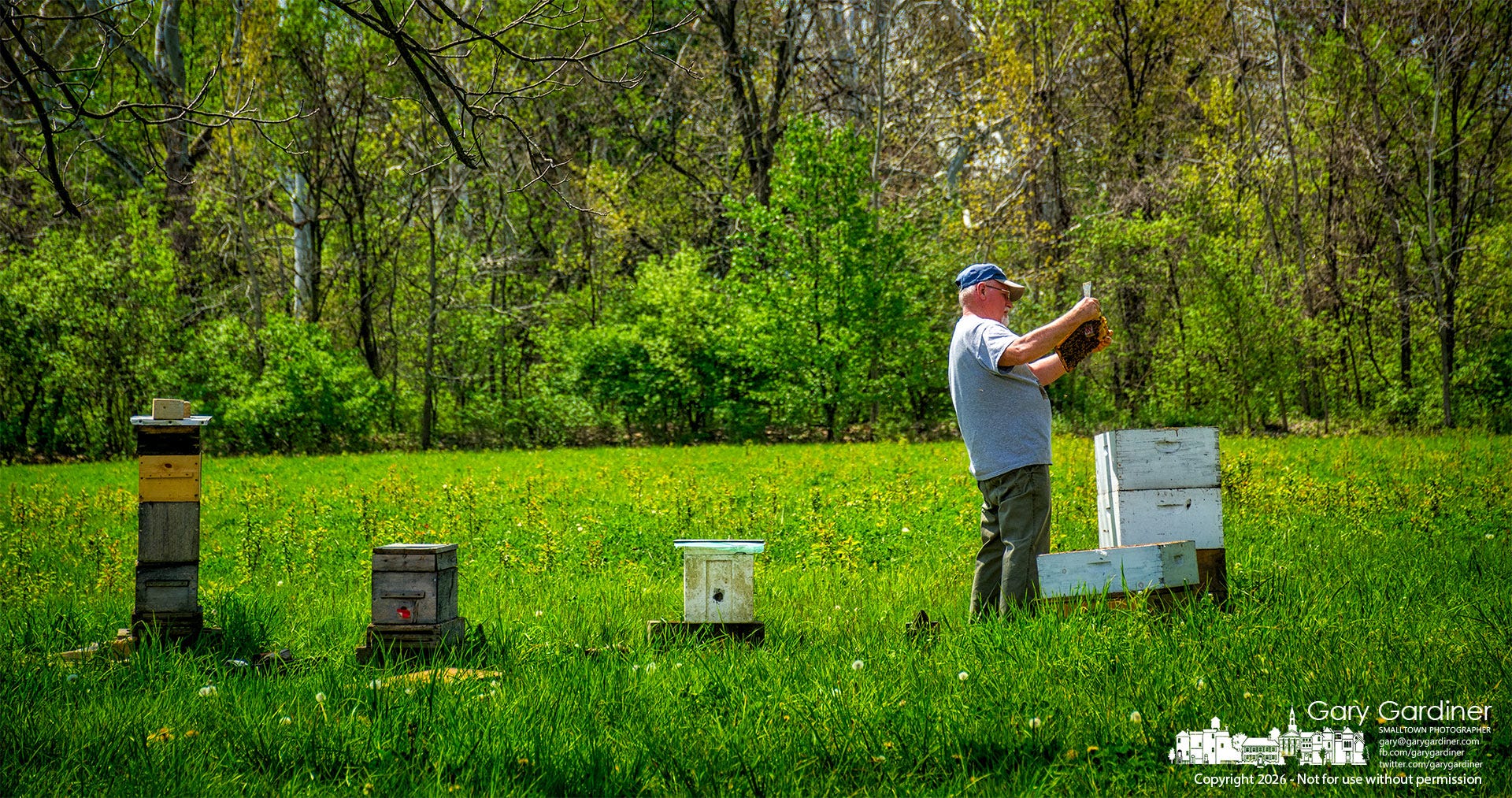
This is where empathy emerges, not as sentiment, but as steadiness. Empathy is attention informed by experience. It is the awareness that the person in front of you is not there to complete your composition but is living something independent of you. When you photograph from that place, your behavior changes. You wait longer. You watch more carefully. You feel when a gesture resolves into something meaningful. Pressing the shutter becomes less about reacting and more about recognizing.
The resulting photograph may not be dramatic, but it carries density. The viewer may not know why it lingers, yet they feel that it was made with patience rather than appetite. They sense that the moment was understood, not simply taken. That density comes from experience layered over time, from having stood in enough real situations to sense what is fragile, what is guarded, what is about to surface.
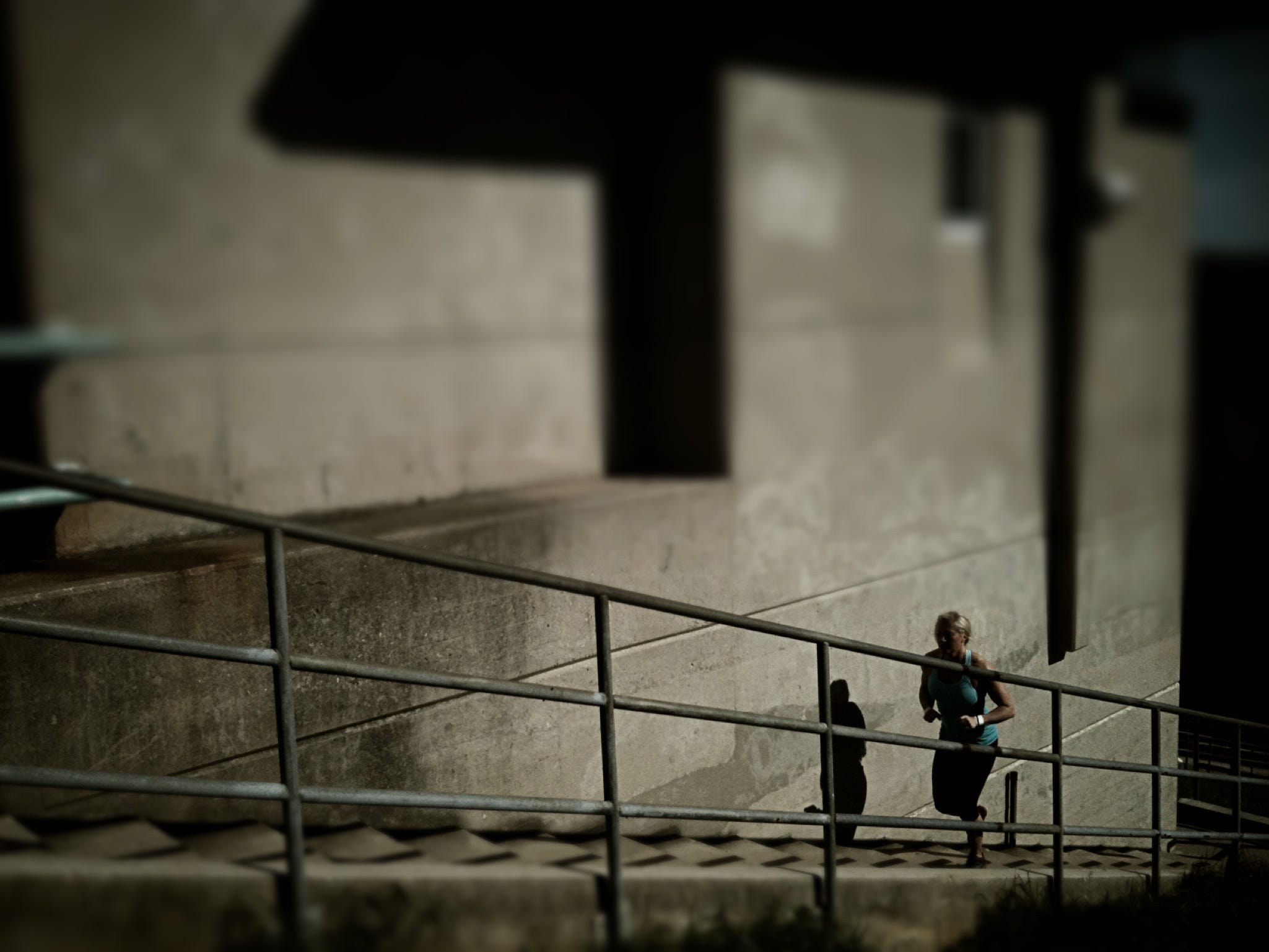
Photography never becomes easy. The uncertainty does not vanish. But it becomes familiar. You recognize the feeling of standing at the edge of a moment, and you no longer rush to escape it. You trust your instincts not because they are perfect, but because they have been shaped by repetition. Technical knowledge remains important. Equipment remains important. Craft always matters. But these are foundations. Meaning grows out of relationship.
Only through the density of experience do you become a better photographer. Not because the task has grown simpler, but because you have grown more attentive, more patient, more human in the way you see. The photographs do not become easier.
They become familiar.

My Final Photo News is a reader-supported publication. To receive new posts and support my photography and commentary, become a free or paid subscriber. Subscribe to The Westerville News and PhotoCamp Daily.