
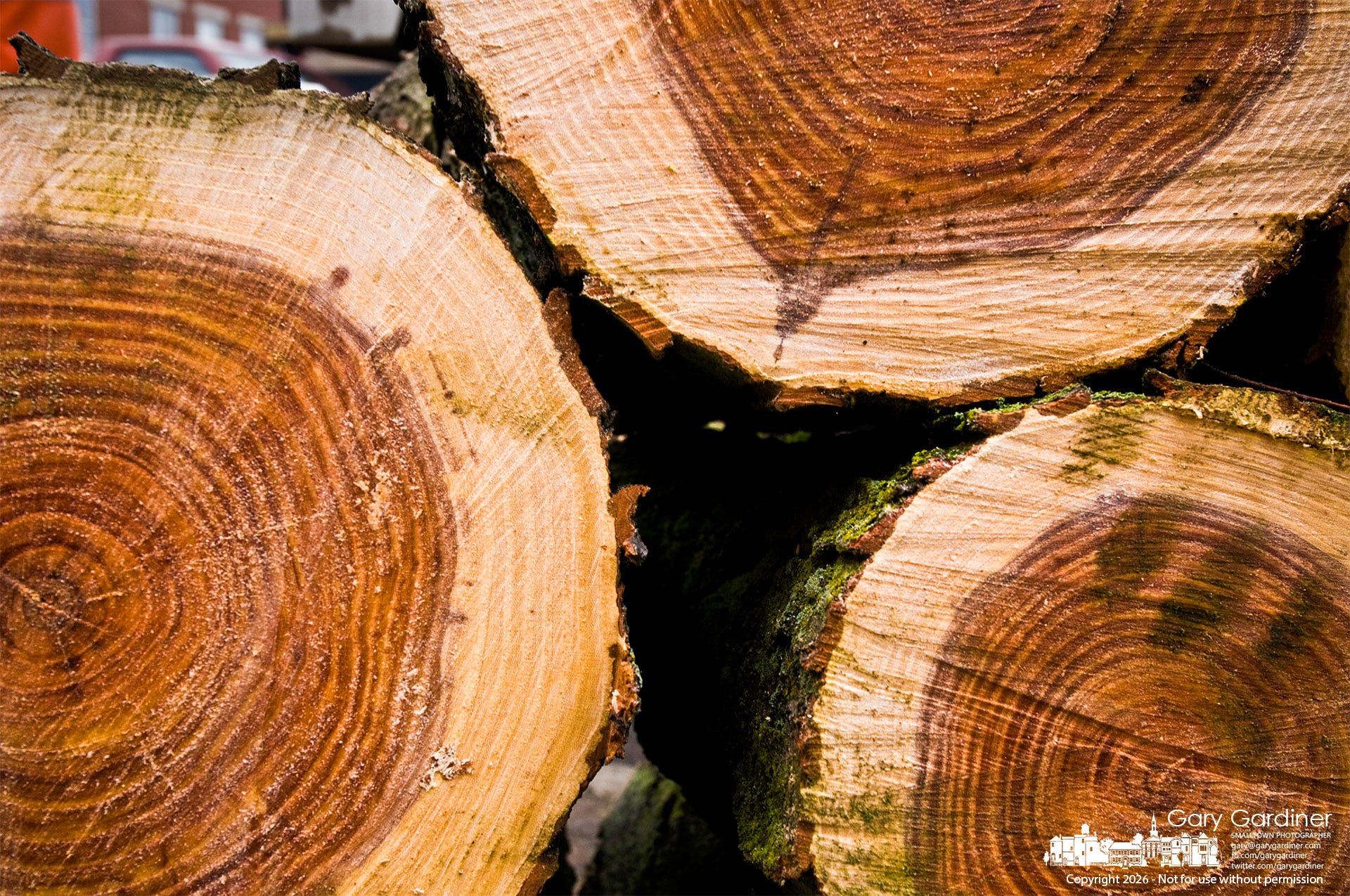
I admire how optimistic arborists are. I recently asked one how he felt about planting trees along a new road, knowing he might never see them fully grown. It seemed like a fair question. His answer caught me off guard. He replied right away, sounding cheerful, not wistful. He spoke about the joy of planting, doing the job well, and trusting time to do its work. The idea that someone else might enjoy the shade of those trees in the future seemed to energize him instead of making him feel left out.
That conversation stays with me as our community discusses a school income tax levy. Opponents are concerned about the short-term effects, which makes sense. Supporters remind me of the arborist. They realize that no data or experience can promise a certain result. Still, they choose to act, believing that what we do now will matter in the long run. The decision is really about taking care of the future, not about being sure of the outcome.
This way of thinking has shaped my life, especially through photography. For twenty-one years, I have taken a photo every day. What started as a discipline turned into a way to notice the world. The goal isn’t to create something amazing each day. It’s about seeing that every day brings something worth noticing. Like a Stoic practice, anything can be valuable if it teaches you something. Failure, repetition, and ordinary moments aren’t distractions—they are part of the process.
Over time, I realized that not knowing the outcome isn’t a weakness. It’s an opportunity. When you let go of expecting a certain result, you start to notice more. You see what’s really there, not just what you hoped to find. Expectations still have a place, but they act more like questions than guarantees. They challenge your patience, show where your focus drifts, and reveal if you can stay present even when nothing seems important.
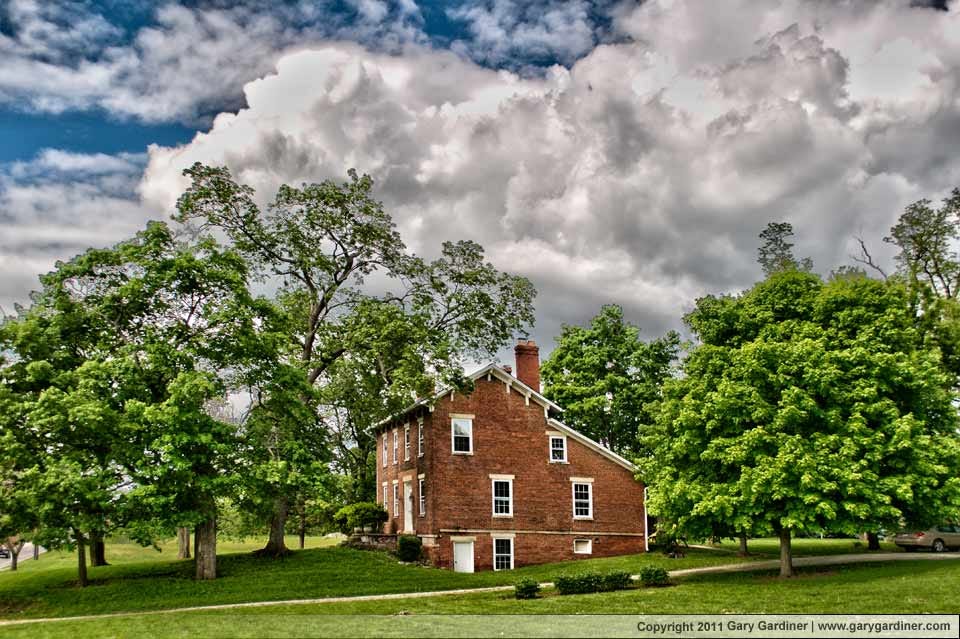
Photography brings many quiet joys. One of them is seeing things come together over time. A single photo might seem plain or unfinished, but as the days pass, patterns and themes start to emerge. What once felt random becomes a record of what you noticed. This sense of order isn’t planned. It comes from sticking with the practice and letting the days connect.
Another joy is being present. Taking a photo every day requires a special kind of focus that can’t be hurried. It means being in the moment, noticing light, movement, and mood without trying to change them. Presence isn’t a perfect state—it’s just being available. You show up ready to see what the day brings, even if it’s not much.
There’s also the story that slowly appears. No single photo tells it, and that’s not the point. The story comes together later, shaped by repeating and returning, not by planning. It’s told in a roundabout way, through habits, what’s left out, and the occasional clear moment. In this way, the photos show life as it really happened, one ordinary day after another.
Recently, I’ve been thinking about Aristotle’s idea of eudaimonia. People often call it happiness, but that doesn’t quite fit. Aristotle wasn’t talking about a feeling. He meant a way of living that helps someone grow and thrive over time, shaped by good habits, character, and staying involved with the world.
This idea matches my daily goal of adding to my collection of experiences. I don’t mean chasing new things just for fun or distraction, but seeking out experiences that teach me something. Sometimes it’s something new or different, sometimes better, and sometimes uncomfortable. The real value is in what these experiences ask of you: attention, openness, and a willingness to change.
Photography fits well with this idea of flourishing. Taking a photo every day isn’t about seeking pleasure or avoiding hard things. It’s about staying involved. The camera gives you a reason to look more closely and avoid jumping to conclusions. Over time, this kind of engagement broadens your view. When you face experience honestly, it makes you less sure of your own assumptions.
As you become less certain, empathy grows. Seeing other lives, places, and moments makes you realize your own view isn’t the whole story. Watching and noticing every day teaches you to see context and details. It gets harder to ignore things you don’t understand right away. Over time, these repeated experiences quietly shape who you are.
In this light, taking a photo every day is like planting something. Each picture is small and unfinished on its own, but together they make sense when you look back. Like planting trees or making choices for a community, the value isn’t in knowing the result ahead of time, but in showing up and doing the work. Flourishing isn’t a place you reach. It’s something you practice by paying attention, caring, and being willing to keep adding to your experience of life.

My Final Photo News is a reader-supported publication. To receive new posts and support my photography and commentary, become a free or paid subscriber. Subscribe to The Westerville News and PhotoCamp Daily. My Final Photo News also recommends Civic Capacity and Into the Morning by Krista Steele.