
Future people count. There will be a lot of them. Whether their lives are better or worse depends, in part, on how well we think today, because today’s decisions compound. Newspapers once helped citizens make those decisions with context.
For a long time, the newspaper functioned as the daily operating system of civic life. It told you what happened, why it mattered, who was responsible, and what might happen next. It connected actions to consequences and gave you context before outrage.
Then the internet arrived, and instead of adapting carefully, newspapers panicked. The early promise of online distribution was seductive: give it away for free, reach everyone, and make it up in digital ads. Exposure would replace subscription. Scale would replace scarcity. It sounded inevitable. It was also wrong.
To understand what broke, you have to understand how newspapers actually worked. The size of a paper was never determined by how much news existed. There was always more news than could fit. The real determinant was advertising. Ads set the page count and determined how much room remained for reporting. Section fronts, stock tables, sports agate, editorials, comics, and obituaries all had pre-assigned column inches. What remained depended on how many ads were sold, how large they were, where they could legally or contractually sit, and which stories could not appear next to which sponsors. It was a strange ecosystem, but it funded something serious.
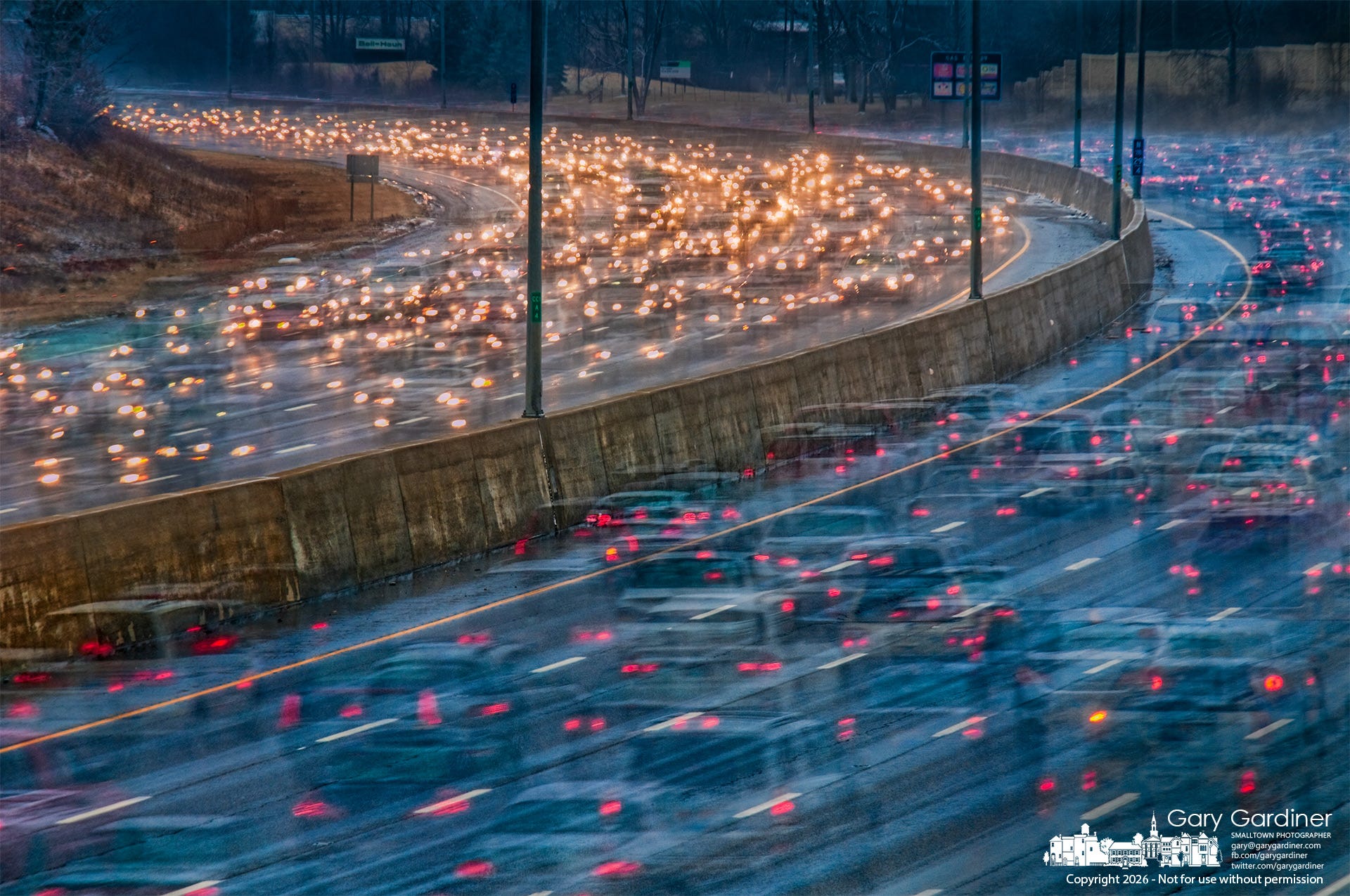
It paid for reporters, and it paid for photographers. A reporter explains; a photographer proves. Written reporting answers who, what, when, where, why, and how. A photograph answers a different question: Did this really happen? Images anchor events in memory. They turn abstraction into evidence. Wars, civil rights movements, disasters—these are remembered not just through words but through images that endure long after the article itself fades. That endurance is not sentimental. It is structural. Photographs become part of the public record.
When papers rushed online and gave everything away, the advertising engine collapsed. Those dollars had funded newsrooms, editors, foreign bureaus, printing presses, trucks, office leases, and health insurance. In the shift to “free,” the industry undercut the mechanism that sustained expertise and documentation.
Expertise is the point. Old newsroom culture was not about being the world’s top authority on a single narrow topic. It was about being expert at learning quickly, understanding under pressure, and asking the first unavoidable questions. Reporters were experts at finding experts. Photographers were experts at witnessing. Both were trained to produce work that could withstand scrutiny. Readers trusted that someone had done the work.
That trust matters even more in a world designed to keep people scrolling rather than thinking. Algorithms suggest content; they do not verify it. They optimize for attention, not truth, and they reward what confirms existing beliefs. Engagement is not understanding. If future people count, then the way we process information now counts too. Short-term thinking destroyed the old business model. Short-term incentives now shape the flow of information itself.
What replaces it is not nostalgia for print but a structural correction. A serious newsletter can function as a container: a defined space that holds context, explanation, sourced expertise, and documented evidence. The schedule matters less than the standard. Publish when the core questions have real answers, not when the feed demands motion. When a reader opens such a publication, they should know that someone has already done the intellectual heavy lifting.
That includes photographs, and it includes attribution. Attribution is not decoration. It is responsibility. A serious publication names its sources, links its documents, and identifies its experts. The same discipline must apply to images. A photograph without attribution is just an image. A photograph with attribution is a record. Who took it? When? Where? Under what conditions? Was the subject posed or observed? Those details shape interpretation and signal accountability. They remind the reader that someone was present, that choices were made, and that the work can be questioned.
Social feeds tend to strip away that context. Images are copied, cropped, and reposted until credit disappears and accountability with it.
A newsletter can restore that chain, but only if it treats attribution as non-negotiable. Long-term thinking requires knowledge that can be traced. Future readers will ask how we knew and who documented it. Attribution keeps those answers visible.
That standard is demanding. It means publishing only what can be sourced, marking uncertainty clearly, and revising when facts change. Expertise is not certainty. It is a method. Traditional newsrooms enforced that method through editors. Independent publications have to enforce it themselves, through clear sourcing, careful framing, and explicit limits on what they can claim.
If future people count, the habits we build now matter. Information shapes decisions, and decisions compound over time. We do not need more volume. We need containers strong enough to hold weight, with words that explain, images that prove, and attribution that ensures the record can be trusted long after the scroll has ended.

My Final Photo News is a reader-supported publication. To receive new posts and support my photography and commentary, become a free or paid subscriber. Subscribe to The Westerville News and PhotoCamp Daily.