
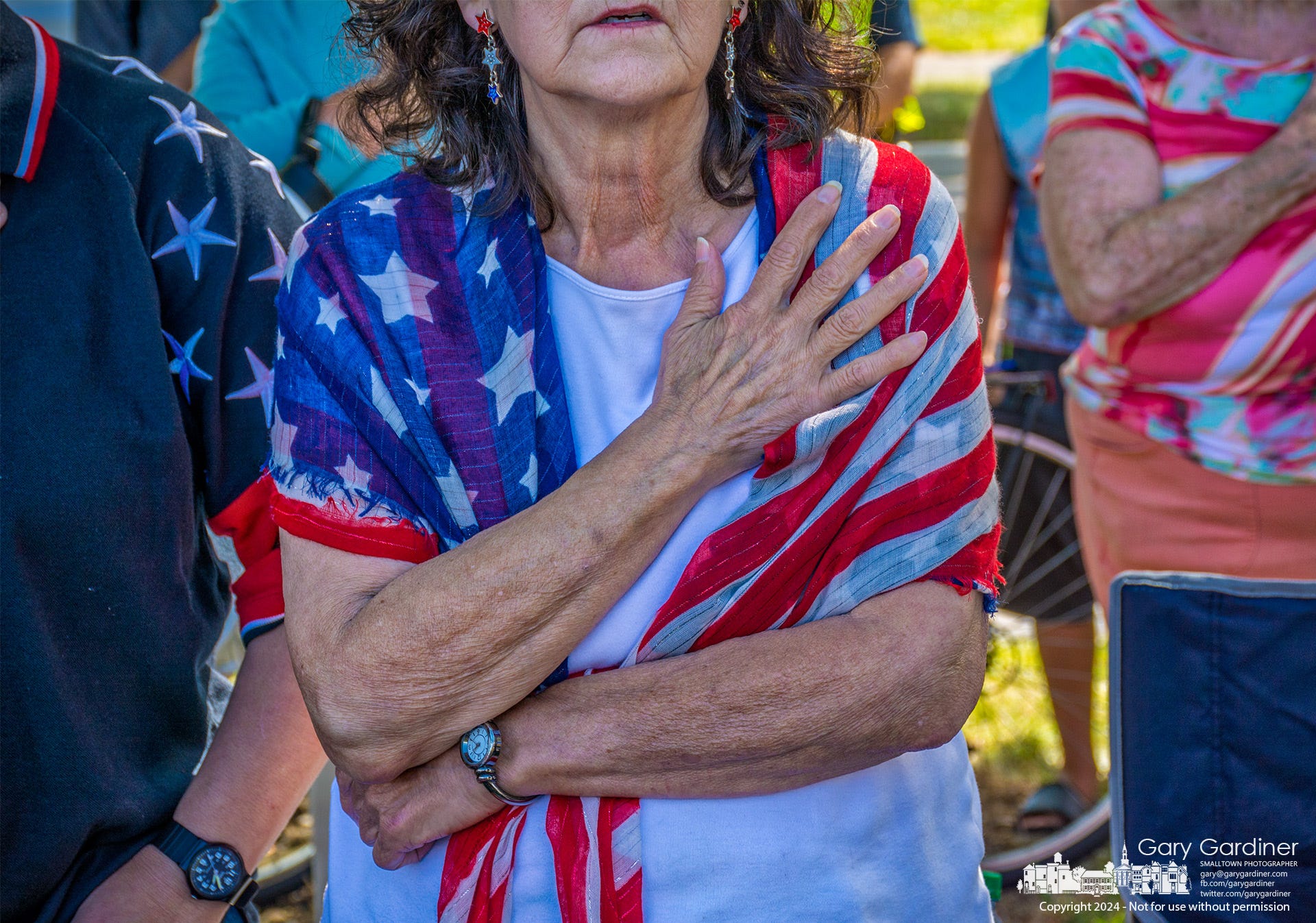
The Five Exposure Roll of Film does not mean that every photographer must shoot five pictures, in order, on every assignment. Great photographers don’t work that way. They understand the structure so completely that they don’t need to move through it step by step. The insurance photo still exists, but it may be one of the first four frames rather than the first one made. Clarity and accuracy are assumed. They may arrive immediately at the fifth exposure because that level of thinking is what is expected of them.
The Five Exposure Roll of Film is not a checklist and it is not about coverage. It is a way of describing how a photographer’s thinking changes while working an assignment. It traces the shift from compliance to meaning, from answering the question that was asked to solving the problem that actually exists. At its core, it is about staying present, responding to what unfolds, and accepting responsibility for telling the story well.
Every assignment still begins with obligation. There is always an insurance photo. It reflects the assignment exactly as written. It establishes trust. It proves the photographer understands the brief and can deliver clarity under pressure. Without it, nothing else matters. For many photographers, this work requires conscious attention. For others, it happens almost automatically. In both cases, it exists because it must.

From there, the process begins to diverge, not in quality, but in focus.
Emerging photographers tend to deliberate in their exposures. They secure the assignment first, then respond to what they are seeing. Each exposure teaches them something about timing, framing, and judgment. The process is visible because it is formative. They are learning how to recognize when the assignment has been answered and when it can be pushed further without losing its footing.
As engagement deepens, the subject ceases to stand alone. The photographer begins to see the situation. Context enters the frame. Environment, background, and peripheral details begin to take on meaning. The photograph no longer tries to explain the story, but it reveals that the story is more complex than the assignment suggested. Observation replaces execution as the dominant skill.
Established photographers work from the same structure, but their attention is placed elsewhere. Years of repetition have absorbed the earlier exposures into instinct. Clarity, accuracy, and coverage are assumed. What remains is the responsibility of resolution. For them, the work often begins at Exposure Five. That level of resolution is not an aspiration. It is the expectation.
Confidence changes everything. When the photographer knows the assignment has already been fulfilled, safety gives way to judgment. The photograph still respects the facts, but it no longer resembles the editor’s original mental picture. Experience, restraint, and intention shape the frame. This is often the moment when an editor recognizes that the photographer is not just completing assignments, but carrying stories.
The fifth exposure pushes beyond surface description without abandoning the assignment’s purpose. The subject may recede, appear indirectly, or be implied rather than shown. Metaphor, absence, or abstraction may replace explanation. This photograph cannot be planned. It only emerges after sustained attention and honest engagement. When it appears, it feels inevitable. It resolves the story in a way nothing else can.
This difference is not hierarchy. It is efficiency of attention. Both emerging and established photographers are doing the same work. One is still learning how the structure operates. The other has internalized it so completely that it disappears.
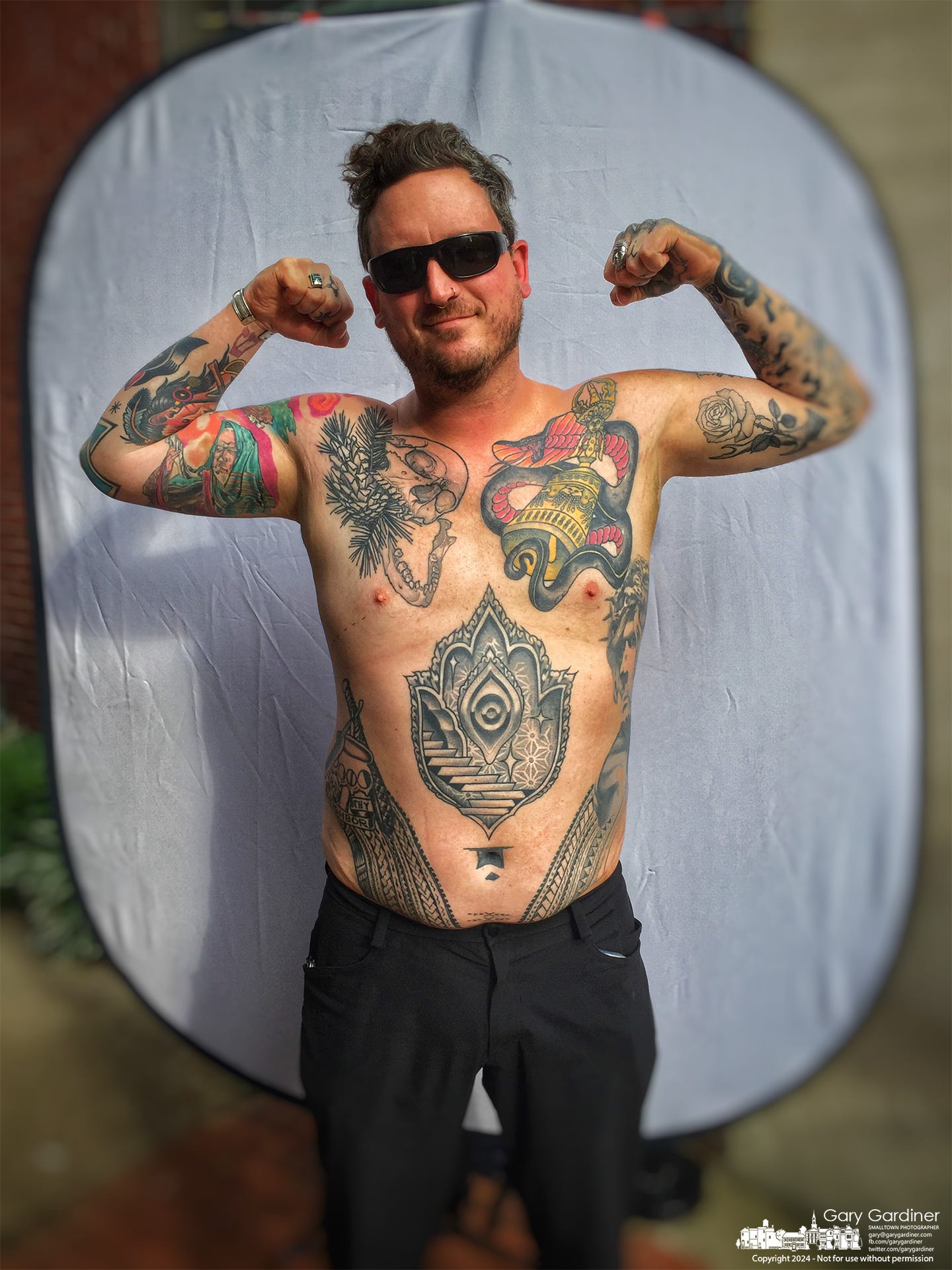
Editors sense this immediately. It shows up in how quickly a photographer understands what the story is really about, how little excess there is in the work, and how reliably the final image resolves the assignment without explanation. Trust grows not from boldness, but from consistency.
This is why editors return to the same photographers again and again. Not because they deliver more images, but because they deliver better solutions. They do not simply show what happened. They translate what it means.

My Final Photo News is a reader-supported publication. To receive new posts and support my photography and commentary, become a free or paid subscriber. Subscribe to The Westerville News and PhotoCamp Daily. My Final Photo News also recommends Civic Capacity and Into the Morning by Krista Steele.