
What We Knew Then. What We Know Now.
On February 22, 1976, I wrote a column for the Fort Lauderdale News about color correction filters. At the time, getting the color right wasn’t an aesthetic choice. It was a deadline requirement.
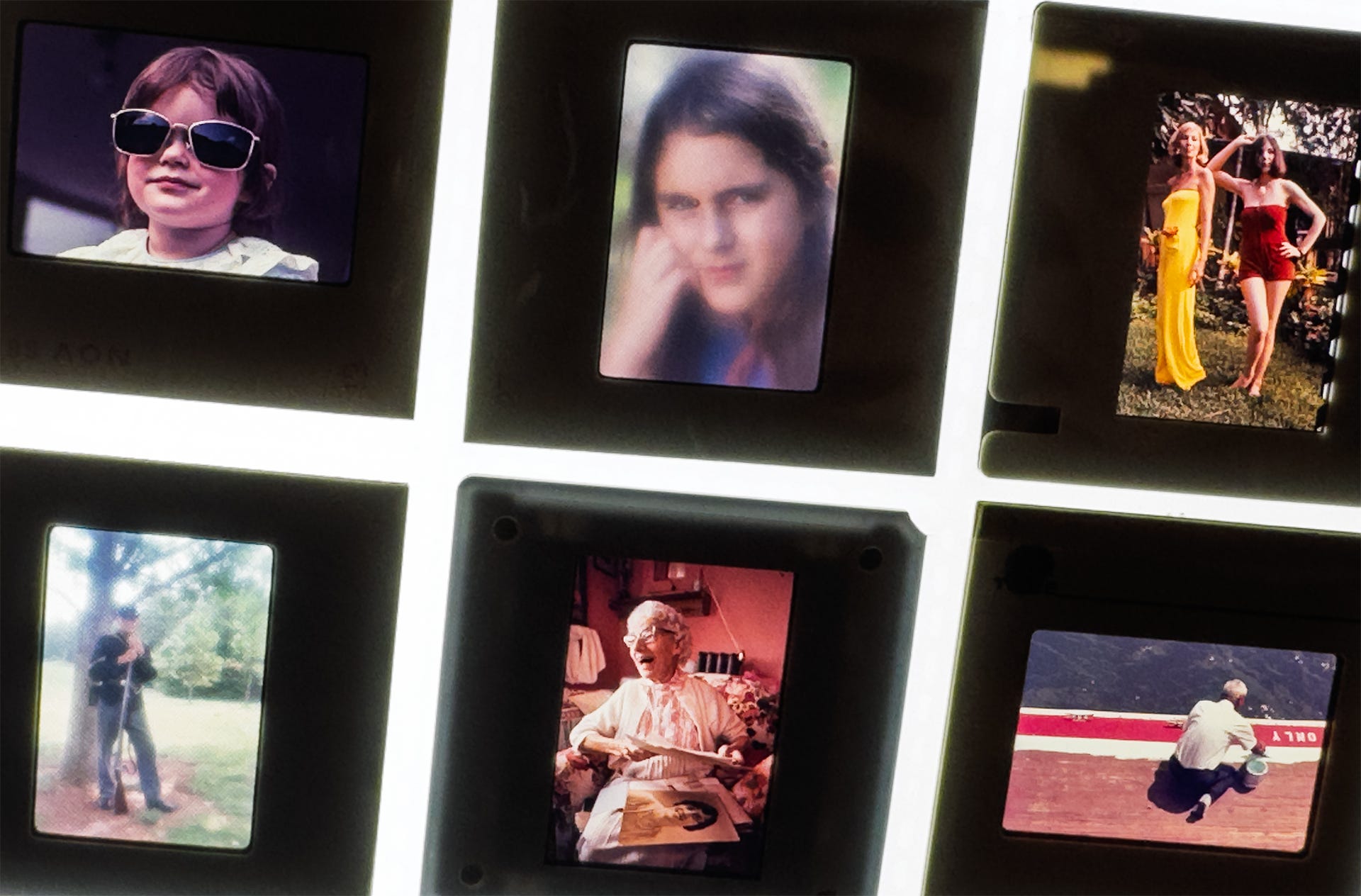
We used to shoot color transparency film, usually Ektachrome, for newspaper reproduction. Whatever you exposed was what went to press. There was no safety net.
If a photograph was perfect in every way except for the color balance, it was still a failure. Too green. Too blue. Too yellow. No matter how powerful the moment was, failure was not an option for a newspaper photographer.
Color correction after processing was slow and disruptive. Newspapers operate under strict deadlines. Each department works in sequence. If one department delays, the next edition is at risk. If the color was off because the photographer misread the light, the responsibility was clear.
So the correction happened before the shutter was pressed.
You studied the light. You identified the source. You mounted the filter that would neutralize the shift. You adjusted exposure to compensate. You made the decision in real time because there was no second chance.
Today, the process is reversed. We capture RAW files that retain much more color information than film ever could. White balance can be adjusted after exposure. Temperature and tint can be refined with accuracy. Individual hues can be shifted, muted, or completely reconstructed. Mixed lighting can be balanced in post-production. What once required physical filtration at the lens is now a flexible choice made on a screen.
The constraint is gone. The possibilities expanded.
But that shift changed the mindset. In 1976, color had to be solved in advance. Now it can be interpreted later.
The column that follows reflects a time when technical accuracy at exposure wasn’t just good practice. It was mandatory.

Originally Published February 22, 1976
Fort Lauderdale News
Light has a strange characteristic of hot and cold color. It appears under daylight, fluorescent light, and tungsten light. Each appears white to the eye, but there are subtle differences that color film can see.
Daylight film exposed to tungsten light will have a reddish tone because the blue tones are not emitted by the bulb’s filament. If a color film designed for tungsten light is used, the color appears normal. Even then, the colors may not be completely true because each bulb varies in color due to age, power supply, and manufacturer.
Fluorescent lights tend to shift the color toward green. Correction of this shift can be quite easy if the type of bulb is known. Manufacturers generally mark the type on one end of the bulb. Because each type emits a different color of light, each requires a different filter to correct the color shift.
The chart includes the six most common types of lamps and the filters or combinations of filters necessary for correction. The exposure compensations are only for cameras without behind-the-lens meters.
The type of filter used is a Color Compensating (CC) filter. Available in gelatin squares, the filters are placed in a filter frame and mounted on the lens. Gelatin filter frames and holders are not expensive, but they are not absolutely necessary. If gelatin filters are used only occasionally, they may be held in front of the lens. I prefer to use the holder because I don’t like the inconvenience of using one hand to hold a filter in place.
The two numbers in the filter designation indicate the density of the filter. The letter indicates the color. For example, a CC40M filter would have a density of .40 and a color of magenta.
The letter designations are simple to learn. The others used are Y (yellow), C (cyan), R (red), G (green), and B (blue).
The density designation can be tricky. A density of .40 does not refer to the thickness of the filter, but to the absorption of light. The decimal point is not included in the labeling or designation. It is assumed to be placed in front of the first number. For example, a filter with the designation CC025Y has a density of .025, not .25.
It is best to buy one filter with the proper density rather than use two or more to build up sufficient density. Each filter adds two surfaces that can collect dust and scatter light.
The most outstanding feature of gelatin filters is their price. Depending on the type and variety of filter, they are one-half to one-quarter as expensive as standard filters. A photographer can easily afford to add filters to a gadget bag if they are gelatin.
A word of warning: gelatin filters are very susceptible to heat and humidity. They must be stored in a cool, dry place.
Fifty Years Later
Thinking back, the pressure was always there. Almost getting it right didn’t count. You either nailed the color or you missed it. If you misjudged the light in 1976, that mistake was printed as is. There was no RAW file to adjust or white balance slider to save you before a deadline. The slide on the light table was the final say. If it was wrong, you owned it.
Now, that pressure has changed. We can fix white balance after taking the shot. It’s possible to tweak tint in small steps, adjust single colors, and fix mixed lighting that would have ruined a transparency. Today’s workflow is all about flexibility. It lets us refine, revise, and sometimes even completely rethink an image.
This flexibility is a real advantage, but it changes how we work. When you can fix things on the computer, there’s less pressure to get everything perfect when you take the photo. You can fix it later, and often you do. The responsibility isn’t all on that one moment when you press the shutter.
But the main challenge is still there. Light still brings color, and it still changes depending on the source and surroundings. It still shapes how a photo looks and feels. The need to notice it hasn’t gone away.
Fifty years ago, our tools made us pay close attention. Today, our tools let us get away with missing things.
My Final Photo News is a reader-supported publication. To receive new posts and support my photography and commentary, become a free or paid subscriber. Subscribe to The Westerville News and PhotoCamp Daily.